
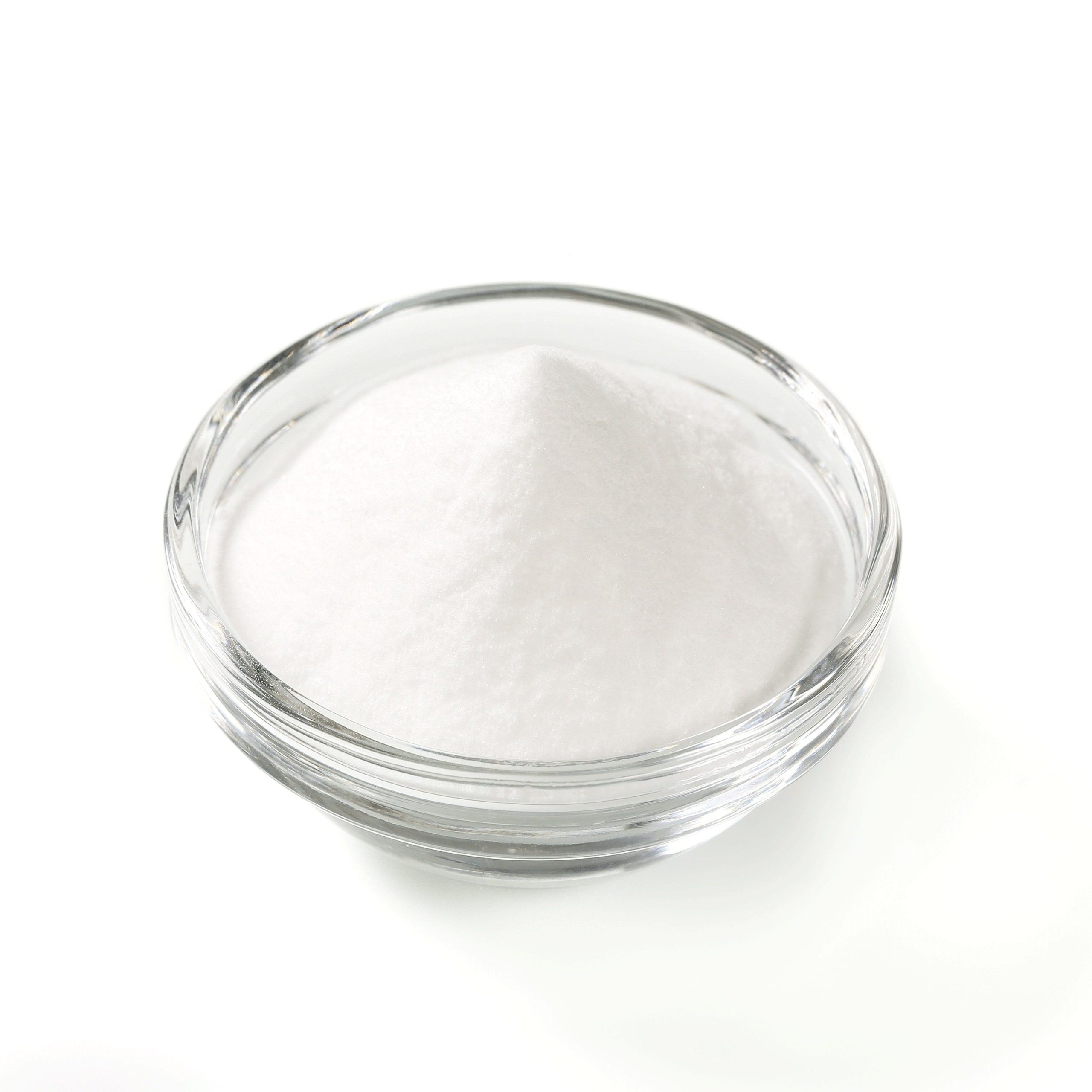
Niacinamide rarely gets the spotlight, but few ingredients do as many useful things at once. It appears in two of our formulas: Centella-B3 Concentrate and Hydra-Defense Complex.
What it is
Niacinamide is a form of vitamin B3. Inside skin cells it becomes NAD+ and NADP, molecules involved in energy use and repair.
Three well-studied effects
- More even tone. Niacinamide doesn’t stop melanin being made. It reduces the transfer of pigment packets from melanocytes to the surrounding skin cells, so less pigment reaches the surface.
- A stronger barrier. It increases the skin’s own production of ceramides and other barrier lipids, reducing water loss.
- Balanced oil. A 2% niacinamide formula reduced facial sebum in a controlled study, which helps with shine and the look of pores.
Because it works on a different step of pigmentation from alpha arbutin or vitamin C, it pairs well with both.
Myth 1: you can’t use niacinamide with vitamin C
This came from old experiments with pure ingredients under heat, where the two formed a complex. In modern formulas at room temperature, that isn’t a practical concern. If the combination tingles, apply them at different times of day.
Myth 2: flushing means you’re allergic
Some people feel warmth or tingling when they first use niacinamide. It’s usually linked to traces of nicotinic acid, a related molecule, and usually settles within days. Stop if it persists, worsens or comes with a rash.
Myth 3: more is always better
Most clinical research used 2–5% niacinamide. Higher concentrations raise the chance of irritation without clear extra benefit for most people. The right amount in a well-built formula beats the biggest number on a label.
Further reading
- Hakozaki T, Minwalla L, Zhuang J, et al. The effect of niacinamide on reducing cutaneous pigmentation and suppression of melanosome transfer. Br J Dermatol. 2002;147(1):20–31.
- Tanno O, Ota Y, Kitamura N, Katsube T, Inoue S. Nicotinamide increases biosynthesis of ceramides as well as other stratum corneum lipids to improve the epidermal permeability barrier. Br J Dermatol. 2000;143(3):524–531.
- Draelos ZD, Matsubara A, Smiles K. The effect of 2% niacinamide on facial sebum production. J Cosmet Laser Ther. 2006;8(2):96–101.
